Tiny Routines, Huge Freedom
Today we explore micro-automations for daily life, showing how small, repeatable triggers remove friction, lighten decision fatigue, and return attention to what matters. With pragmatic tools, calm defaults, and gentle reminders, you can reclaim minutes, protect energy, and craft days that feel effortless rather than hurried or reactive.
Small Triggers, Big Sighs of Relief
Begin by identifying tiny friction points—recurring taps, repetitive lookups, forgotten switches—that quietly drain attention. Convert them into micro-automations using schedules, sensors, and context cues. The goal is relief, not complexity: gentle nudges, safe defaults, and predictable outcomes that make ordinary moments smoother and more humane.
Morning rituals on autopilot
Set lights to fade in, a speaker to play soft news, and a coffee maker to start only when your phone leaves Bedtime mode. These simple chains create momentum without rushing, while still letting you pause, breathe, and intervene whenever plans change.
Inbox calm with filters and labels
Create rules that file receipts, track shipping updates, and mute noisy newsletters during work hours. Surface only messages from people you actively collaborate with. By shaping visibility, you reduce reactive checking, protect deep focus, and respond thoughtfully instead of skimming everything anxiously.
Groceries that manage themselves
Use shared lists that auto-sort by store aisle, reminders that trigger near the market, and subscriptions for staples with flexible skips. A camera or weight sensor in the pantry can log reorders, turning that nightly “we’re out again” into a calm, predictable routine.
Choosing the Right Tools Without Overbuilding
Great results come from clarity, not complexity. Define the job, pick the simplest automation that reliably does it, and measure the time or stress saved. Favor tools that export data, respect privacy, and grow slowly with your needs, not your impulses.
A checklist for sane selection
Before adopting anything, write one sentence describing the outcome, one constraint you must not violate, and one metric you will watch. If you cannot state those clearly, wait. Clarity upfront prevents sprawling flows that impress dashboards while exhausting real people.
Integrations that age gracefully
Prefer services with open standards, export options, and local fallbacks. When one provider changes pricing or APIs, your routines should persist with minimal edits. Longevity matters more than flash, because daily reliability builds trust, and trust keeps everything running effortlessly.

No-Code Routines Anyone Can Build
You do not need to program to gain real benefits. With mobile shortcuts, recipe-based services, and smart-home hubs, small chains can connect calendars, voice assistants, locations, and sensors. Start with one reliable loop, then expand by observing where attention leaks.

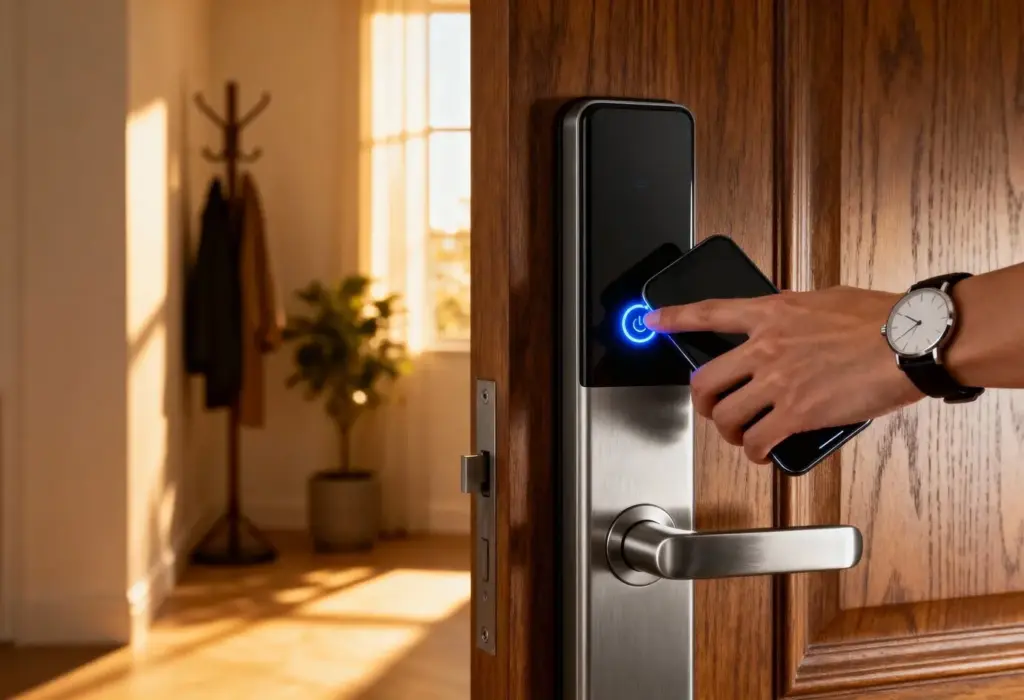
Location-aware nudges that help, not haunt
Trigger a reminder to return library books only when you pass near the branch. Show the grocery list when entering the store. Avoid generic pings; contextual cues respect your future self by arriving precisely where decisions happen with minimal friction.

Quiet hours that protect deep focus
Set schedules that mute non-urgent notifications and defer batches into digest summaries. Let critical contacts bypass with a distinct tone. This balance signals to colleagues and family that attention is finite, yet genuine emergencies will still be seen promptly.
Safety Nets, Testing, and Trust

Dry runs before the real thing
Run routines in simulation mode where actions are logged, not executed. Review timestamps, triggers, and conditions, then tighten logic. A day of rehearsal prevents weeks of frustration, and gives confidence that the quiet helpers will behave kindly under pressure.

Fail-safes and graceful degradation
Include timeouts, retries, and safe defaults when a device or service goes offline. Design for partial success and friendly fallbacks. When the lights do not respond, at least the reminder arrives, preserving intent and dignity even during rough network weather.

Transparent logs that teach
Keep a simple changelog of what ran, why, and how long it took. Patterns emerge quickly, revealing bottlenecks or noisy triggers. Transparency reduces mystery and builds trust, inviting household members to participate, suggest improvements, and feel ownership over shared routines.
Real Stories, Gentle Wins
Small changes compound. People report calmer mornings, fewer missed bills, and better sleep when routines remove friction. By borrowing these ideas, adapt them to your context, and share back what worked, we can learn together and encourage sustainable, humane progress. Subscribe or comment with your favorite experiment.
A parent trading chaos for calm
With a shared family calendar mirrored into a chat, chore reminders tied to rooms, and a bedtime scene that locks doors automatically, evenings softened. Fewer negotiations, more stories, and the feeling that home supports everyone instead of constantly shouting for attention.
A freelancer sheltering deep work
Downtime mode silenced non-urgent pings, while a daily shortcut prepared a focus playlist, opened the correct project, and blocked distracting sites. Billing timers started automatically from calendar entries. The result was fewer context switches, higher quality, and less end-of-day fatigue.
All Rights Reserved.